How Atlanta Churches Have
Responded to the Call
Every week across the Atlanta metro area, children enter foster care with little warning and very few belongings. In those moments, foster families open their homes and begin caring for children who may be experiencing one of the most uncertain seasons of their lives. While foster parents provide daily care, they were never meant to walk this journey alone. Across Atlanta, churches are stepping into that gap—offering encouragement, practical help, and prayer as they support families who have said yes to fostering.
In Georgia, the need for stable foster homes continues across counties throughout the Atlanta region. From Fulton and DeKalb to Gwinnett and Cobb, children are entering care every week.
The encouraging news is that churches across Atlanta are already stepping in.
Some are supporting foster families with meals and childcare. Others are collecting clothing and supplies for children who arrive with very little. Some churches are learning how to become trauma-informed communities, while many are committing to pray faithfully for children, families, and caseworkers involved in the foster care system.
While not every family is called to foster, churches throughout Atlanta are discovering that everyone can play a role in caring for vulnerable children.
And across the city, many already are.
Here are practical ways churches have answered the call:
Meeting Practical Needs During New Placements
One of the most immediate ways churches in Atlanta have supported foster families is by responding quickly when a new child enters a home.
Many foster placements happen with very little notice. Foster parents may receive a phone call and only have hours to prepare. Churches have stepped in during these moments by delivering meals, gathering clothing, helping set up bedrooms, and donating basic necessities like diapers, backpacks, and hygiene items.
These practical acts of kindness allow foster parents to focus on helping a child feel safe and welcomed during their first days in a new home.
Building Support Teams Around Foster Families
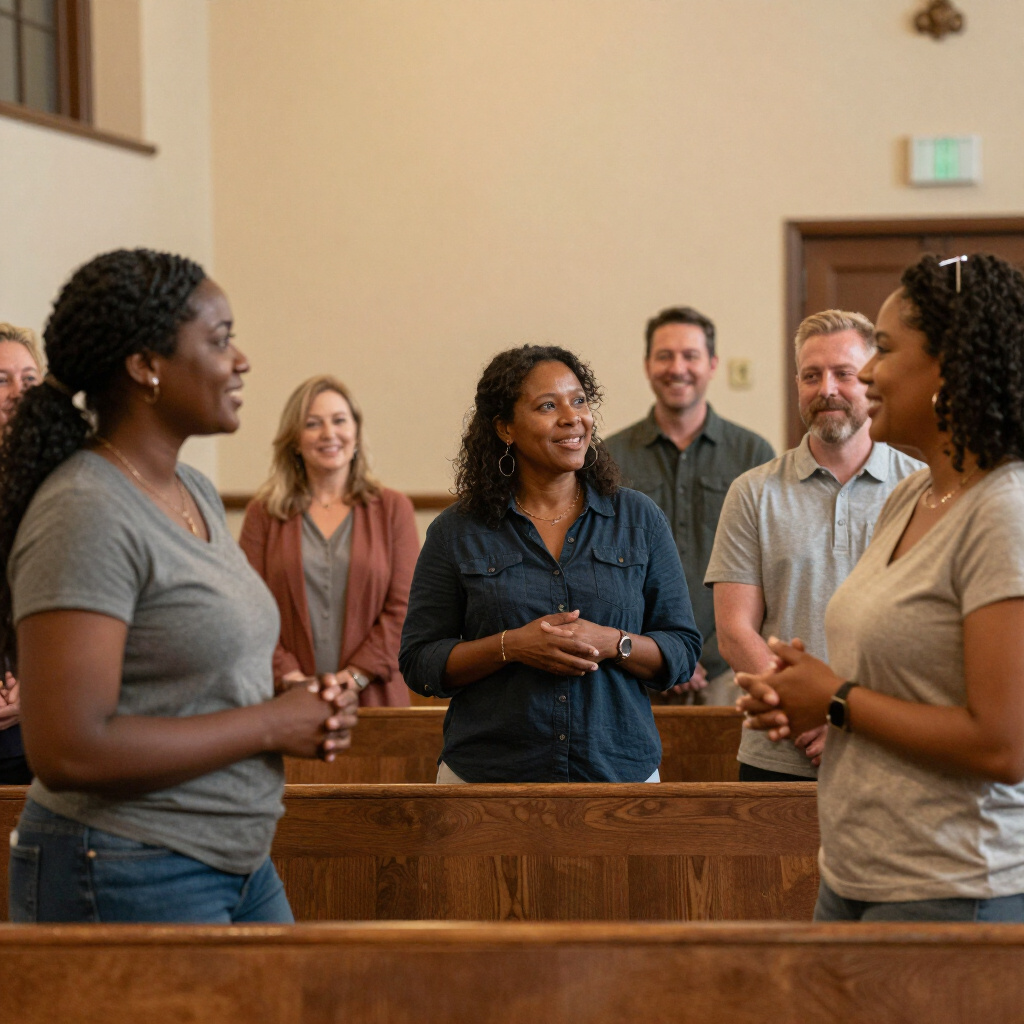
Some churches in Atlanta have begun creating small support teams around foster families. These teams provide consistent encouragement and practical help throughout the foster care journey.
Support teams often include people who check in regularly, offer childcare when needed, help with transportation, or simply make themselves available during busy or difficult seasons.
For many foster parents, knowing that a group of people is intentionally walking alongside them makes an enormous difference.
Becoming Trauma-Informed Communities
Children entering foster care have often experienced significant loss and trauma. Because of this, churches in Atlanta have increasingly prioritized learning how to better support both foster children and their caregivers.
Some churches have hosted trainings to help volunteers understand trauma-informed care. Children’s ministry leaders are learning how to create environments where foster children feel safe and welcomed. Volunteers are being equipped to respond with patience, grace, and understanding when children struggle.
As churches grow in awareness, they become places where foster families feel supported rather than overwhelmed.
Extending Compassion to Biological Families
Another encouraging trend among Atlanta churches is a growing understanding that foster care is ultimately about restoration whenever possible.
Many churches are finding ways to extend compassion not only to foster families but also to biological parents who are working toward reunification. Some offer parenting support, mentorship, or practical resources to families who are rebuilding stability in their lives.
This approach reflects the heart of the gospel—restoration, grace, and the belief that families can experience healing.
Celebrating and Encouraging Foster Families
Churches throughout Atlanta are also making a point to celebrate and encourage foster families in visible ways.
Some congregations regularly pray for foster families during services. Others highlight stories of foster care and adoption within the church community. Many simply take time to encourage foster parents and remind them that their work matters.
These moments of recognition help foster families feel seen and supported during a journey that can sometimes feel isolating.
Committing to Prayer
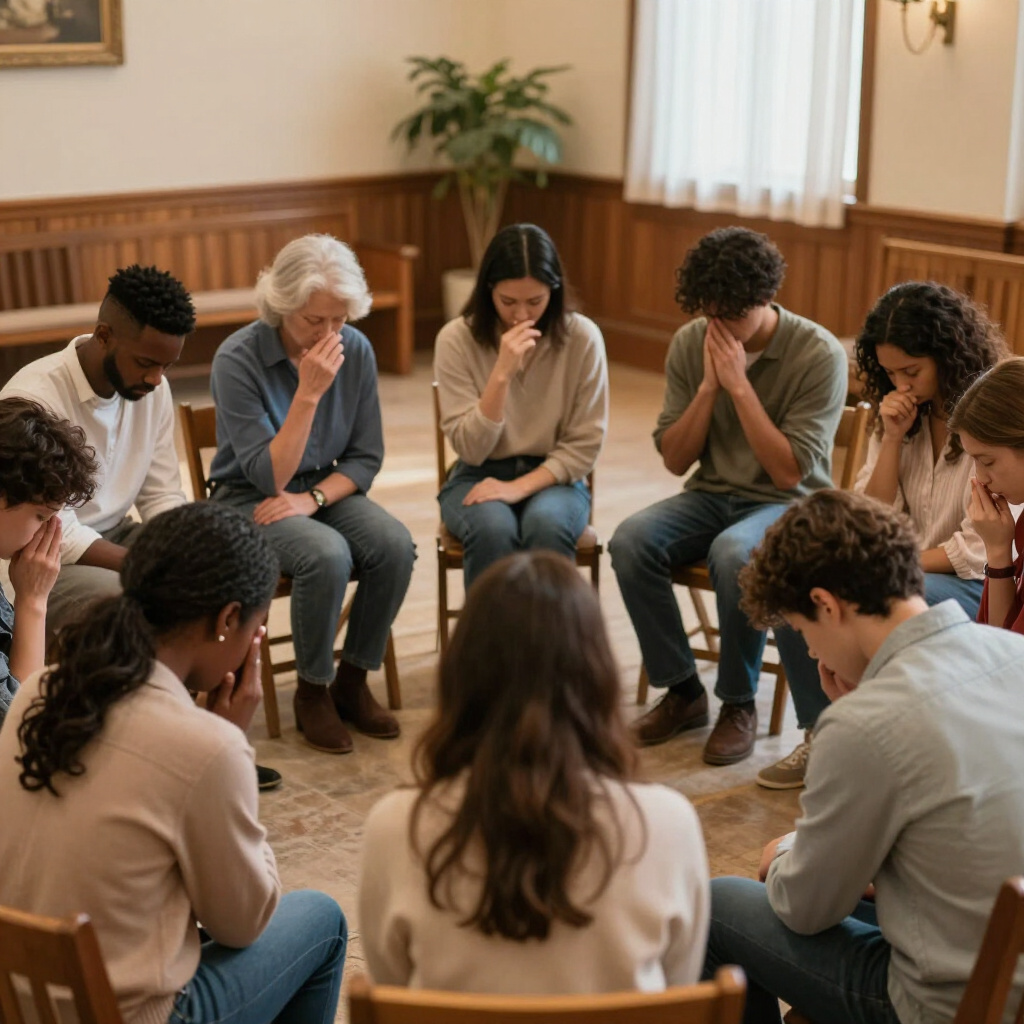
Perhaps one of the most meaningful ways churches in Atlanta are supporting foster families is through intentional prayer.
Church members are praying for foster parents as they navigate difficult decisions and challenging seasons. They are praying for children who are adjusting to new environments and relationships. They are praying for biological families who are working toward restoration.
Churches are also praying for caseworkers, judges, and everyone involved in the foster care system, asking for wisdom and guidance in decisions that impact the lives of children.
These prayers remind foster families that they are not walking this journey alone.
A Growing Movement of Support
Across Atlanta, churches are discovering that supporting foster care does not require everyone to become foster parents. Instead, it requires a community willing to step in with compassion, generosity, and faithfulness.
Some cook meals.
Some donate clothing.
Some provide childcare.
Some offer mentorship.
And many commit to prayer.y
Together, these acts of support create a network of care around families who have chosen to open their homes to children in need.
When churches show up in these ways, they reflect the compassion of Christ and help create a community where vulnerable children and families can experience hope.