Everyone Can Do Something: How the Church Can Respond to Foster Care
For many people in the church, the topic of foster care can feel overwhelming. The needs are great, the stories are heavy, and the responsibility can seem too big to carry.
But the truth is simple and freeing: not everyone is called to foster or adopt—but everyone can do something.
This idea, shared in the book Everyone Can Do Something by Jason Johnson, has helped many churches rethink how they engage with foster care. Instead of asking every family to open their home, churches are encouraged to ask a different question: What role can each of us play in supporting vulnerable children and the families who care for them?
When churches begin asking that question, something powerful happens. People discover that there are many practical and meaningful ways to step in.
Some Families May Be Called to Foster
For some families, “doing something” may mean opening their home to a child in foster care. Foster parents provide safety, stability, and care for children during some of the most uncertain seasons of their lives.
But fostering is not something families were meant to do alone. Foster parents often navigate sudden placements, court hearings, emotional challenges, and busy schedules. This is why the church plays such an important role in surrounding foster families with support.
Some Can Provide Practical Help
Many people in the church can support foster families in simple, everyday ways.
Sometimes support looks like bringing a meal during the first week of a new placement. Other times it might mean running to the store for diapers or school supplies when a child arrives with very few belongings.
Members of a church might also help by:
-
Setting up a bedroom for a new child
-
Dropping off groceries during a busy week
-
Helping with yard work or home repairs
-
Changing the oil in a foster parent’s car
-
Offering to babysit for an evening so parents can rest
These acts may seem small, but they can make an enormous difference for families adjusting to a new placement.
Some Can Invest in the Life of a Child
For children in foster care, supportive adults can have a lasting impact.
Members of a church may choose to spend time with foster children by doing simple things like:
-
Taking a child fishing
-
Going to a ball game together
-
Helping with homework or tutoring
-
Teaching a life skill like cooking or riding a bike
-
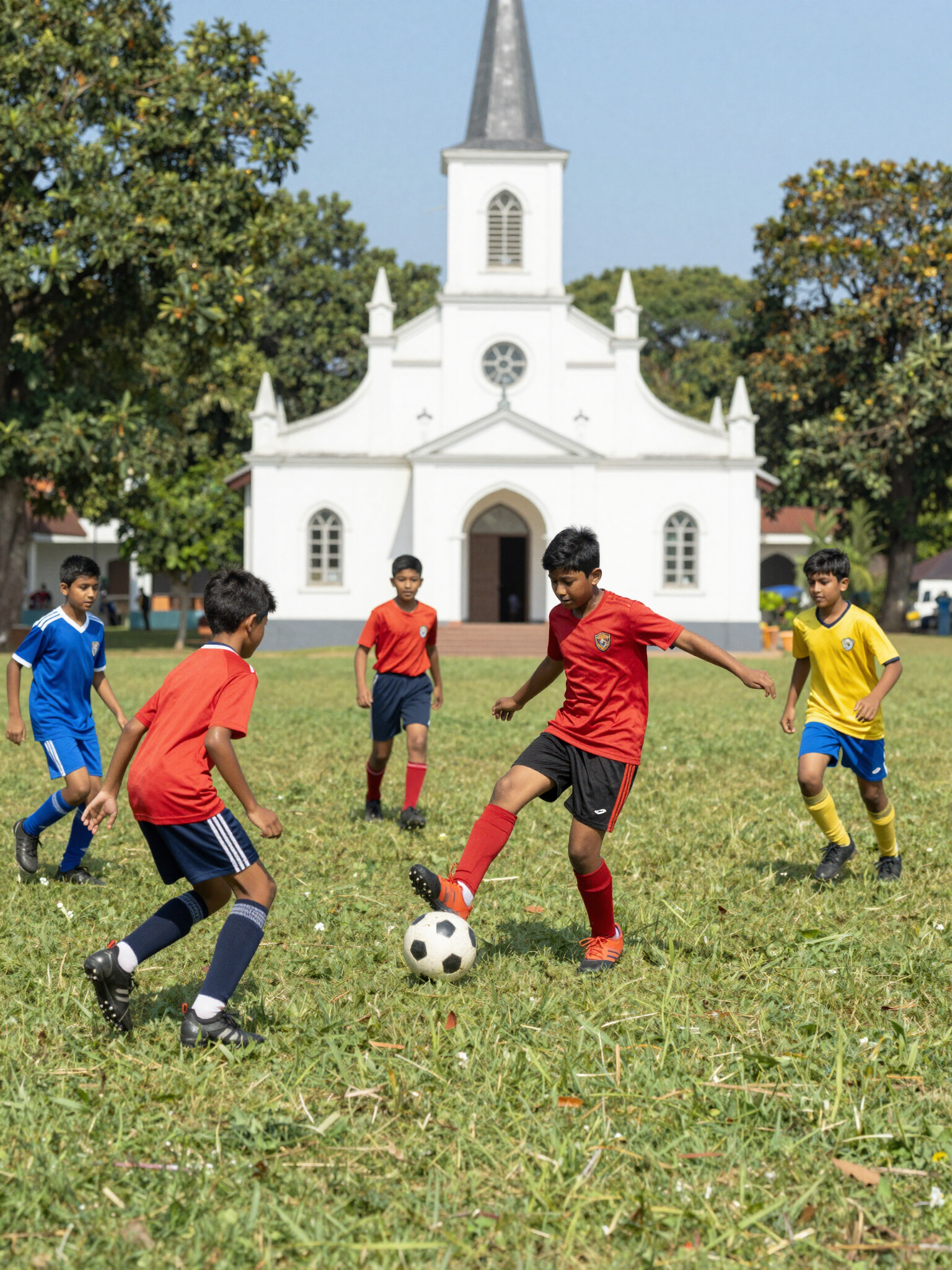
Showing up to cheer at a sports game or school event
Moments like these help children feel seen, valued, and cared for.
Some Can Offer Respite Care
Some families may not be able to foster full-time, but they can offer respite care—providing temporary care so foster parents can rest, attend appointments, or spend time with their other children.
Even a few hours of respite can give foster parents the space they need to recharge and continue caring well for the children in their home.
Some Can Support Biological Families
Foster care is often focused on reunification when it is safe and possible. Biological parents are working through difficult circumstances in hopes of rebuilding stability for their families.
Churches can support this process by offering encouragement, mentorship, parenting classes, or practical help to biological families working toward restoration.
When churches extend compassion to both foster families and biological parents, they reflect the heart of the gospel—grace, restoration, and redemption.
Everyone Can Pray
One of the most powerful ways the church can support foster care is through prayer.
Church members can pray for children entering care, for foster parents navigating difficult decisions, for biological families working toward reunification, and for the caseworkers and judges who make decisions that affect the lives of children.
Prayer reminds foster families that they are not walking this journey alone.
A Church-Wide Response
When churches embrace the idea that everyone can do something, foster care becomes a shared mission rather than an individual calling.
Some families foster.
Some provide respite.
Some cook meals.
Some change the oil in a car.
Some take a child fishing.
Some help with homework.
Some simply commit to prayer.
Together, the church becomes a community that surrounds vulnerable children and the families who care for them with love and support.
And sometimes, the smallest act of kindness becomes the very thing that helps a foster family keep going.